
When you are getting ready to leave a rental property, you will likely notice signs of wear and tear that have developed throughout your stay.
Blemishes, like scuff marks on the floor or nail holes in the walls, can seem inconsequential at first. However, they could cost you a large portion of your deposit if left unaddressed.
Knowing how to undo these imperfections will help you pass the landlord’s final inspection with flying colours.
Let us review some typical forms of minor damage and how to quickly repair them before handing over the keys.
Holes left in the walls from hanging bookcases, photos, or other decorations are among the most common problems renters deal with. If these little holes are not fixed, part of your deposit can be deducted for unsightly damage.
To avoid this, start by removing any screws or nails from the walls. Then, plug the gaps with a filler compound, usually called spackle or Polyfilla. You can find it at any DIY supply shop.
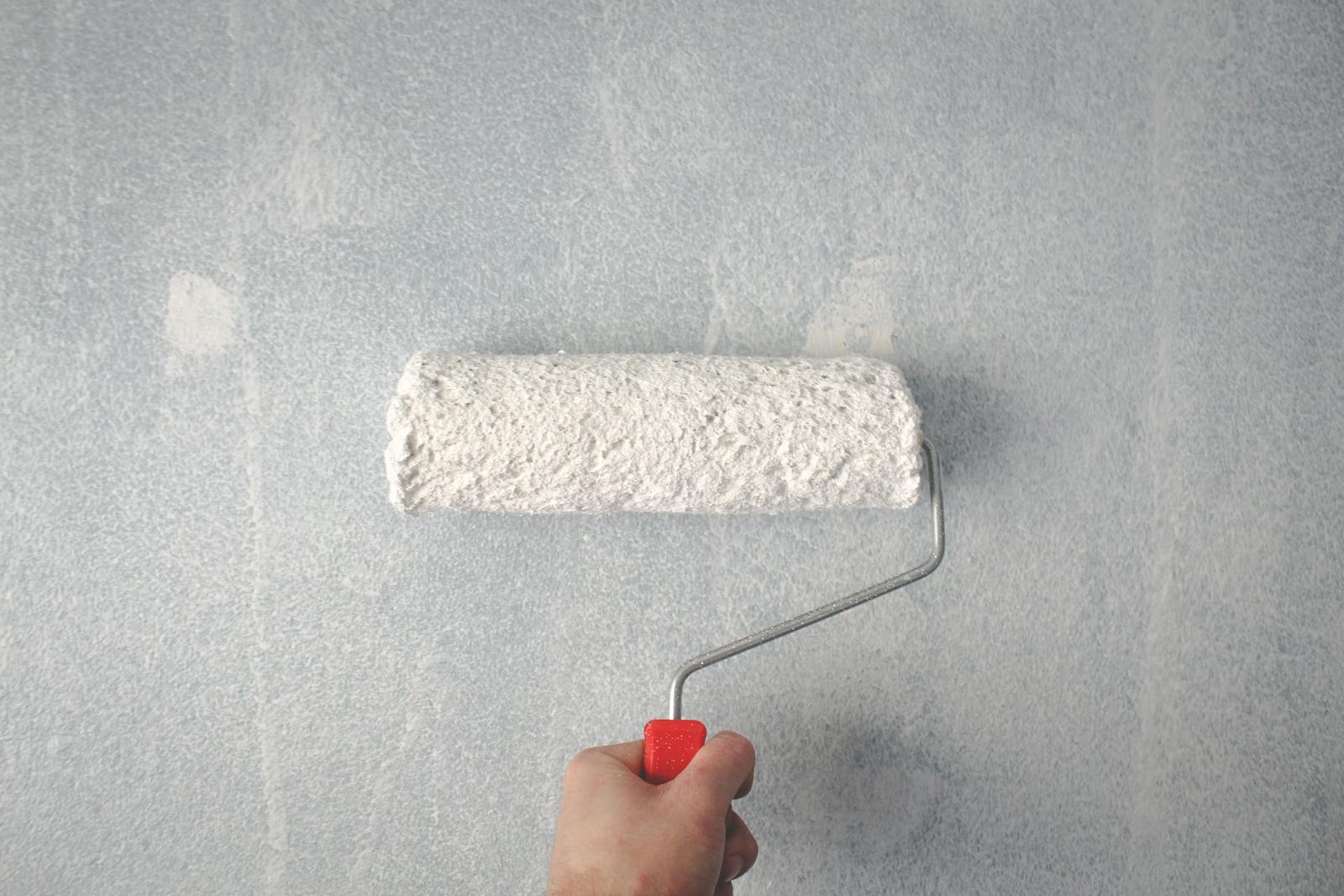
After the filler has completely dried, sand it down until it blends seamlessly with the wall before painting the surface to match it.
Most landlords do not mind such minor touch-ups. However, it is a good idea to review your lease agreement or consult your property manager first. If they approve of it, this easy fix will help you avoid unnecessary repair charges.
Scuff marks are another common issue on floors or walls. Whether they were caused by consistent use, heavy footfall, or moving furniture, these marks can make the property seem rather neglected.
A damp cloth or sponge and some mild detergent can eliminate most slight imperfections. If this does not work, a magic eraser usually does the trick.
As a last resort, use some touch-up paint to cover up more serious scratches or discolourations. For hardwood floors, a wood repair marker will help with small scrapes.
If the abrasions are more pronounced, apply a wood filler, then gently sand and polish the area to blend it in.
Damaged fittings, mouldy sealants, and loose tiles are present in most bathrooms. Dealing with these problems before you move out helps you prevent costly deductions.
Start by replacing the sealants around the bathtub, washbasin, and shower cabinet if they are visibly deteriorated. This quick and easy task will make the bathroom seem a lot cleaner. It also helps prevent mould development.
Next, remove the old caulk with a scraper or utility knife, and then smooth it out with your finger or a caulking tool to maintain an overall tidy appearance.
Lastly, tighten any loose screws or bolts to secure towel racks, shower heads, and faucets.
Once these minor repairs are done, scrub the tiles and grout using a powerful cleaning agent or a homemade mix of baking soda and vinegar. Make sure you remove any mildew, watermarks, or other residue.
Together, these simple tasks make a huge impact on the overall appearance of a bathroom.
Particularly in heavily trafficked areas, furnishings often develop stains, burns, or other signs of wear. Luckily, you can tackle these minor issues yourself.
A good stain remover will work miracles if your rugs suffer from persistent discolourations. Alternatively, you can rent a steam cleaner from your local home improvement or DIY store to remove stubborn residue.
If not feasible or in case your efforts do not yield the desired results, expert tenancy cleaners are there to save the day.
For small holes, cut off the damaged fibres with scissors or replace the torn section with a patch from an inconspicuous area.
For example, you can use a part that is normally hidden underneath furniture or in a typically underused area.
Using carpet adhesive, secure the spare patch neatly in place.
As for carpet burns, place a clean cloth over the spot in question and go over it with a moderately warm iron. The heat will help lift the afflicted fibres.
If the burn marks are more stubborn, mix equal amounts of white vinegar and water, then spray this concoction over the surface. Blot it gently with a fresh cloth, and the unsightly mark should now be gone.
Changing burnt-out light bulbs is among the easiest yet most overlooked chores renters often skip before relocating.
Although it is a quick and simple fix, neglecting to do it could provide the landlord with grounds to withhold part of your deposit.
Furthermore, if the light fittings themselves are broken, you must either repair or replace them before the final walk-through.
This applies to any similarly minor repairs. So, take a walk around the premises before your scheduled inspection and make sure every fitting and fixture operates properly.
While packing, move the furniture carefully to prevent floor or wall scrapes. Additionally, cover delicate surfaces with blankets or protective covers before carrying big objects out of the house to avoid scratches.
This mindful approach helps prevent fresh damage that would call for even more repairs before you go.
Budgeting for these repairs is another smart move. Allocating funds for cleaning supplies, fillers, and paint will help move this process along smoothly.
Just make sure you factor in additional costs for spare items that you could require, like light bulbs, in addition to any tools you need to rent.
By planning ahead, you can avoid unanticipated expenses and ensure that your property looks its best, thereby increasing the likelihood of a full deposit return.
Getting your entire deposit back is only possible if you fix small imperfections and clean the space thoroughly before moving out.
By fixing minor bathroom or kitchen defects, scuffed floors, and wall holes, you will leave the house in a good enough shape to warrant a full reimbursement.
Although it takes some time and effort, this will help you save more money down the line. It also ensures good relations with your landlord and an overall seamless move-out process.
This is a collaborative post.