
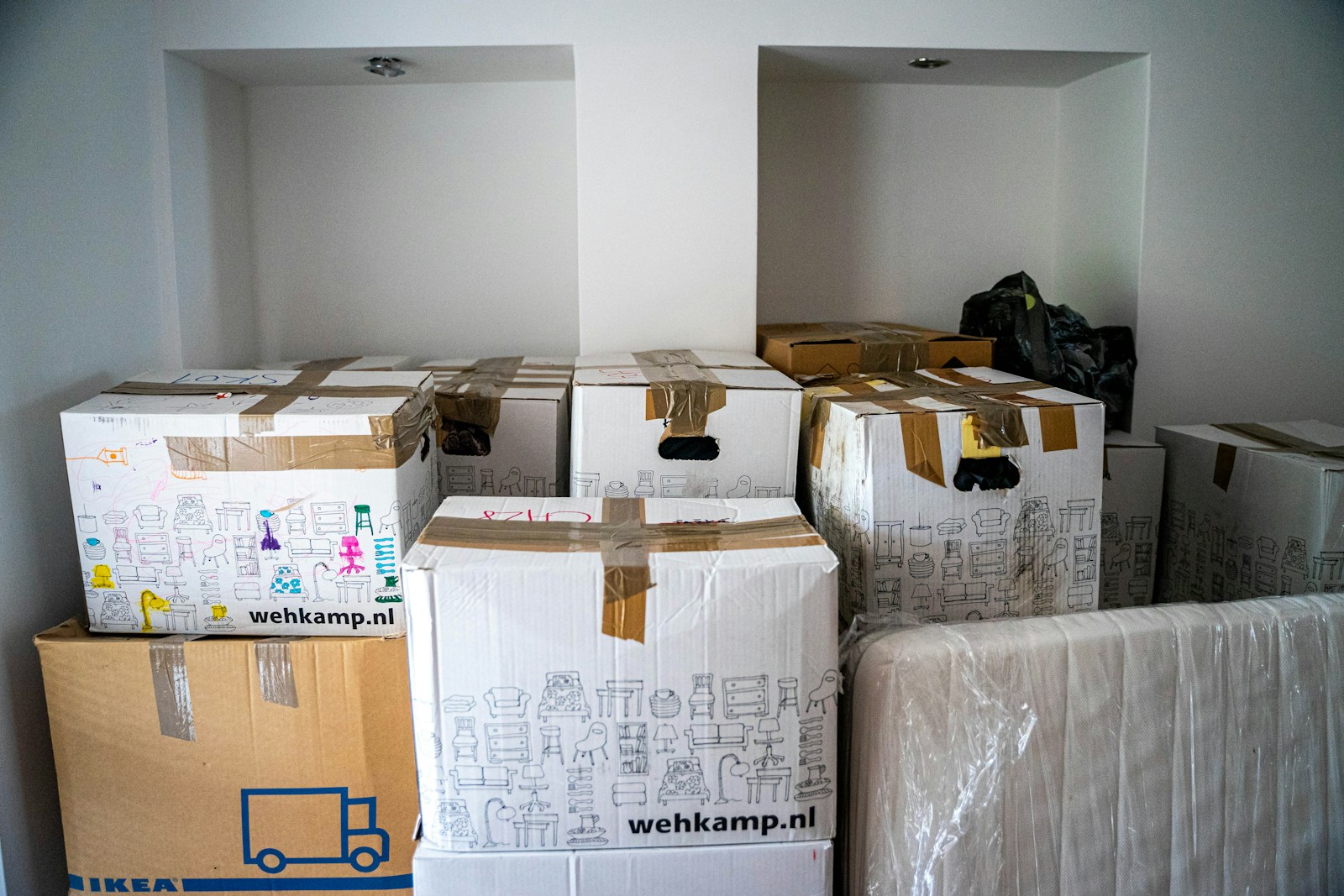
Moving house can be an exciting and transformative experience, but it can also be a source of stress and financial burden if not properly planned. Whether you are moving across town or to a different country, having a well-thought-out budget can help you stay organised and ensure your move goes smoothly. In this comprehensive budgeting guide, we will explore the importance of budgeting for a house move, provide practical steps to create a moving house budget, and offer tips for reducing moving costs. By following these guidelines, you can save both money and stress during your next move.
Budgeting for a house move is crucial for several reasons. Firstly, it allows you to have a clear understanding of your financial situation and determine how much you can afford to spend on the move. By setting a budget, you can allocate funds to different aspects of the move, such as packing supplies, professional movers, and post-move expenses. Additionally, budgeting helps you avoid unnecessary expenses and keeps you focused on your financial goals.
Creating a moving house budget may seem overwhelming, but by following a few simple steps, you can break it down into manageable tasks.
Assess your current financial situation: Start by reviewing your income, savings, and any other financial resources you have available. This will give you a clear picture of how much you can allocate towards your move.
Estimate your moving expenses: Research and make a list of all the potential expenses you may incur during your move. This can include packing supplies, moving services, transportation costs, and any additional fees associated with the sale of your current house.
Set a budget: Based on your financial assessment and estimated expenses, set a realistic budget that you can stick to. Be sure to leave room for unexpected costs and emergencies.
Track your expenses: Throughout the moving process, keep track of all your expenses to ensure you stay within your budget. This can be done manually or by using budgeting apps or spreadsheets.
If you are planning to sell your house as part of your move, it is important to research and set a realistic budget for this process. Selling a house involves various costs, such as real estate agent fees, staging expenses, and closing costs. Here are some steps to help you budget for selling your house:
Research local market conditions: Understand the current real estate market in your area. Look at recent sales data and consult with local real estate agents to get an idea of how much you can expect to sell your house for.
Calculate selling expenses: Determine the expenses associated with selling your house, such as real estate agent commissions, home staging costs, and any repairs or renovations needed to attract buyers.
Factor in closing costs: Closing costs can include fees for title insurance, attorney fees, and transfer taxes. Research the typical closing costs in your area and add them to your budget.
Set a realistic selling price: Based on your research and calculated expenses, determine a realistic selling price for your house. This will help you set expectations and ensure that you are financially prepared for the sale.
Packing and moving supplies can quickly add up, so it is essential to budget for these expenses. Here are some tips to help you keep costs under control:
Inventory your belongings: Before purchasing any packing supplies, take an inventory of your belongings. This will help you determine how many boxes, packing materials, and other supplies you will need.
Reuse and recycle: Look for ways to reuse or recycle packing materials. For example, use old newspapers or clothing to wrap fragile items instead of buying bubble wrap. You can also ask friends and family if they have any spare boxes or packing materials.
Shop around for deals: Compare prices at different stores and online retailers to find the best deals on packing supplies. Look for discounts, bulk purchasing options, or consider renting reusable plastic containers as an alternative to buying boxes.
Ask for quotes from professional movers: If you are considering hiring professional movers, get quotes from multiple companies. This will help you compare prices and choose the most cost-effective option.
One of the major decisions you will face during a house move is whether to hire professional movers or do it yourself. Both options have their pros and cons, and the cost-effectiveness will depend on various factors. Consider the following points when making your decision:
Time and effort: Moving house is physically demanding and time-consuming. Hiring professional movers can save you valuable time and energy, allowing you to focus on other aspects of the move. However, if you have the time and physical ability, doing it yourself can save money.
Cost comparison: Obtain quotes from professional movers and calculate the cost of renting a moving truck, purchasing packing supplies, and other expenses associated with a DIY move. Compare the total costs to determine which option is more cost-effective for your specific situation.
Risk and liability: Professional movers are experienced in handling delicate and valuable items, reducing the risk of damage or loss. If you have valuable or fragile belongings, hiring professionals may be worth the extra cost for peace of mind.
Flexibility: Consider your flexibility in terms of time. Professional movers often have specific schedules and availability, while DIY moving allows you to have more control over the timing of your move.
Moving costs can quickly add up, but with some careful planning, there are several ways to reduce expenses. Here are some tips to help you save money during your move:
Declutter and donate: Before packing, go through your belongings and get rid of items you no longer need or use. Donate or sell these items to lighten your load and reduce moving expenses.
Time your move: Moving during off-peak times, such as weekdays or non-holiday periods, can often save you money. Check with professional movers for discounted rates during these times.
Pack and label yourself: Instead of paying for professional packing services, pack your belongings yourself. Use free or low-cost packing materials and label boxes clearly to facilitate the unpacking process.
Consider self-storage: If you need temporary storage for some of your belongings, compare the costs of renting a self-storage unit versus paying for additional moving truck space. Sometimes, it may be more cost-effective to store certain items separately.
Budgeting for post-move expenses is just as important as budgeting for the move itself. Here are some common post-move expenses to consider:
Utilities and services: Set aside funds for activating utilities, such as electricity, water, and internet, in your new home. Also, budget for any service installations or subscriptions you may need, such as cable or security systems.
Home maintenance and repairs: Allocate some money for any immediate repairs or maintenance tasks that may arise in your new home. This can include painting, plumbing fixes, or replacing appliances.
Furniture and decor: If you need to purchase new furniture or decor for your new home, budget for these expenses. Consider buying second-hand or waiting for sales to save money.
Unforeseen expenses: Lastly, have a contingency fund for any unexpected expenses that may arise after the move. This can include emergency repairs or unforeseen medical expenses.
Creating a budget is one thing, but sticking to it can be challenging. Here are some tips to help you stay on track:
Be realistic: Set realistic expectations and budget amounts. Don’t underestimate costs or overestimate your ability to save money.
Track your expenses: Keep a record of all your moving-related expenses and regularly review them against your budget. This will help you identify any areas where you may be overspending.
Make informed decisions: Before making any major purchases or decisions, consider how they will impact your budget. Ask yourself if there are more cost-effective alternatives or if the expense is truly necessary.
Stay organised: Keep all your moving-related documents, receipts, and contracts in one place. This will help you stay organised and have a clear overview of your expenses.
Budgeting for a house move is crucial for reducing stress and saving money. By creating a realistic budget, researching expenses, and implementing cost-saving strategies, you can ensure a smoother and more affordable move. Remember to track your expenses, stay organised, and make informed decisions to stick to your budget. With proper planning and budgeting, you can enjoy the excitement of your new home without the financial burden and stress.